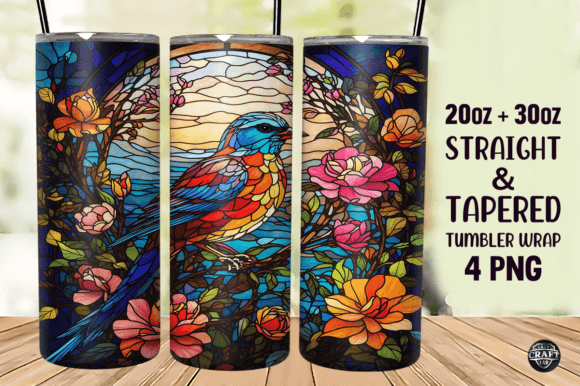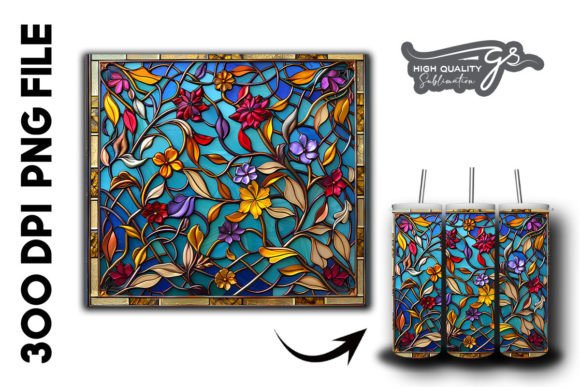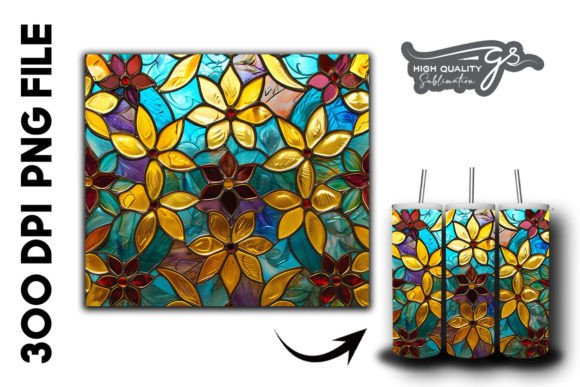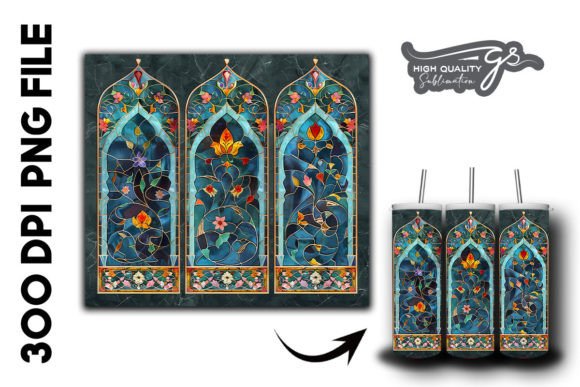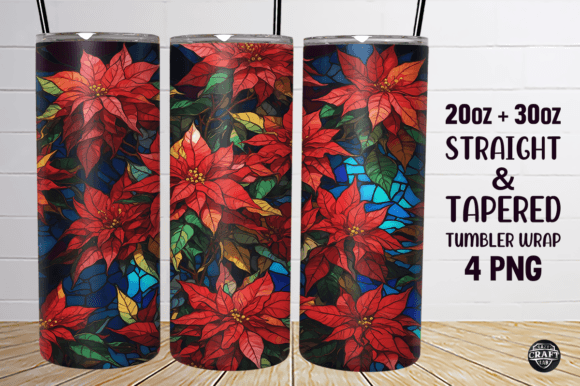
Poinsettia Flowers Stained Glass Tumbler
First Impression: A Holiday Design That Feels Hand-Crafted, Not Stock
When I opened Poinsettia Flowers Stained Glass Tumbler, I didn’t see another holiday clipart repeat—I saw potential for warmth and intention. The stained-glass effect isn’t just decorative; it suggests light, clarity, and quiet craftsmanship. The poinsettia’s layered petals are balanced—not overly dense, not too sparse—and the lead-line framing gives it structure without rigidity. It reads as festive but not childish, elegant but not stiff. That matters when you’re choosing a machine embroidery design for a boutique apron or a personalized baby blanket. This isn’t a design that shouts—it invites closer looking, which is exactly what makes it work for handmade products where attention to detail builds trust.
Where It Shines in Real Embroidery Projects
I tested Poinsettia Flowers Stained Glass Tumbler on a linen tea towel, a cotton sweatshirt, and a twill tote bag—three very different fabric textures and end uses. On the towel, the clean lines held up beautifully with satin stitch borders and subtle fill stitch gradients. On the sweatshirt, it read clearly even at 4.5" wide, thanks to its generous negative space and intentional weight distribution. And on the tote? It looked like something you’d find in a curated gift shop—not mass-produced, but thoughtfully placed.
It works especially well for holiday embroidery that needs to feel personal: embroidered patches for teacher gifts, pillow covers for nursery decor, or custom caps for small-batch boutique branding. Because the motif is botanical rather than overtly religious or commercial, it fits seamlessly into wedding gifts (think: monogrammed kitchen towels), baby embroidery (a soft poinsettia on a onesie collar), and even year-round apothecary-style merchandise. As an Etsy seller, I’d pair it with neutral thread palettes—deep burgundy, charcoal gray, cream—to keep it versatile across seasons.
Where to Proceed With Care
This isn’t a “set-and-forget” embroidery file. Its stained-glass aesthetic relies on contrast and precision. On dark fabric, fine interior lines can disappear unless you adjust thread color or add underlay. On stretchy fabric—like lightweight knits for baby onesies—you’ll need cutaway stabilizer and possibly reduced stitch density to prevent puckering around the petal edges. And on curved surfaces like caps? The outermost lead lines may distort if hooped too tightly or stitched without proper cap framing.
Small hoop sizes (under 4") will force compromise: either shrinking the entire design (which blurs delicate transitions) or cropping key elements. I wouldn’t use Poinsettia Flowers Stained Glass Tumbler full-size on a toddler’s beanie or a narrow wristband without simplifying the inner geometry first. Also, avoid layering it directly over seams or textured weaves—those tiny lead lines won’t register cleanly on burlap or heavy terry cloth.
Design Assets That Support, Not Replace, Your Judgment
As a designer who reviews hundreds of digital embroidery files a year, I appreciate that Poinsettia Flowers Stained Glass Tumbler doesn’t try to do everything. It’s not overloaded with tiny beads or micro-detail that collapses in stitching. It respects the limits of thread, fabric, and machine capability. That restraint makes it reliable—not just for your next craft fair tote bag design, but for repeat client work where consistency matters. When customers receive a finished product with this motif, they don’t wonder whether it’s “handmade enough.” They feel the care in the spacing, the balance, the quiet confidence of the shape.
Practical Notes Before You Stitch
- Always test on scrap fabric first—especially if using it on textured or dark substrates.
- Check thread color contrast before stitching on black or navy garments. Light gold or antique white thread often lifts the stained-glass illusion better than stark white.
- Review stitch density—if your machine struggles with dense fills, consider reducing density by 5–10% for smoother satin stitch flow.
- Confirm hoop size compatibility—this design feels most at home in a 5x7" or larger hoop, but verify before committing to a production run.
- Inspect small details in your embroidery software: those thin lead lines should be at least 0.3mm thick to survive stitching.
- Test in black and white mockups to gauge silhouette strength—this design earns its value from shape as much as color.
- Compare light and dark fabric backgrounds side-by-side. What reads as delicate on ivory may vanish on charcoal.
- Use proper stabilizer: medium-weight cutaway for knits, tear-away for stable wovens, and optional topping for napped fabrics.
- Confirm licensing before selling finished items or bundling Poinsettia Flowers Stained Glass Tumbler into digital embroidery collections. Since it’s listed as a Graphics file for Tumbler Wraps, double-check usage rights for apparel and physical goods.
Why It Fits Your Craft Business—Not Just Your Hoop
What makes Poinsettia Flowers Stained Glass Tumbler more than just another holiday file is how it supports your brand voice. It doesn’t scream “seasonal sale”—it whispers “I made this for you.” That tone translates directly to customer trust, higher perceived value, and stronger repeat business. Whether you’re a small shop owner building a cohesive holiday line or an embroidery designer curating assets for other makers, this design holds its ground without demanding attention. It works quietly in the background of a custom embroidered apron, adds quiet sophistication to a personalized sweatshirt, and elevates a simple tea towel into a keepsake.
In short: if your goal is handmade presentation—not just machine embroidery, but meaning—you’ll find Poinsettia Flowers Stained Glass Tumbler worth the thoughtful setup. It’s not flashy. It’s focused. And in the world of craft business, that kind of focus is rare, valuable, and quietly unforgettable.