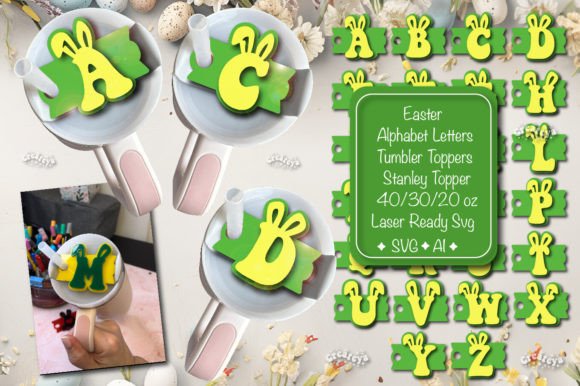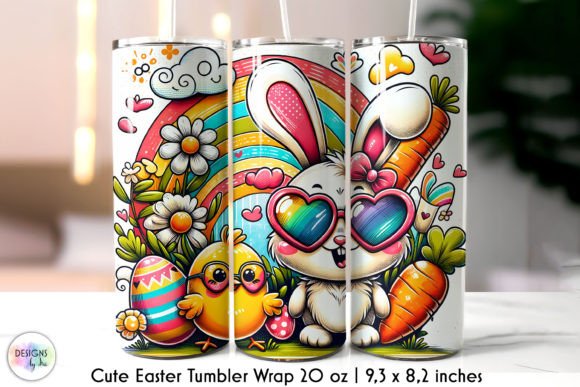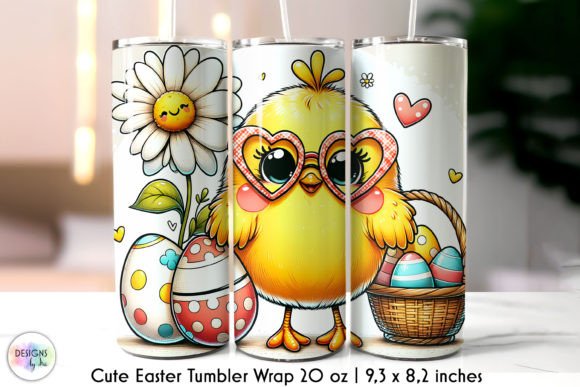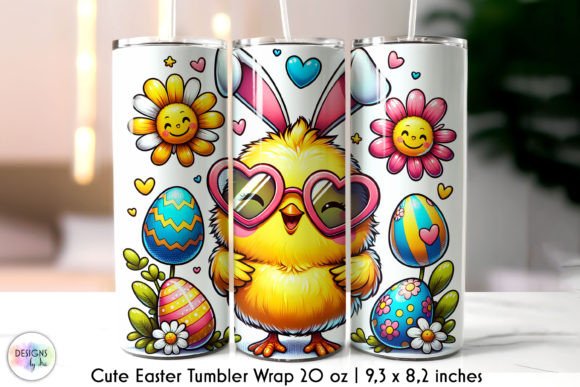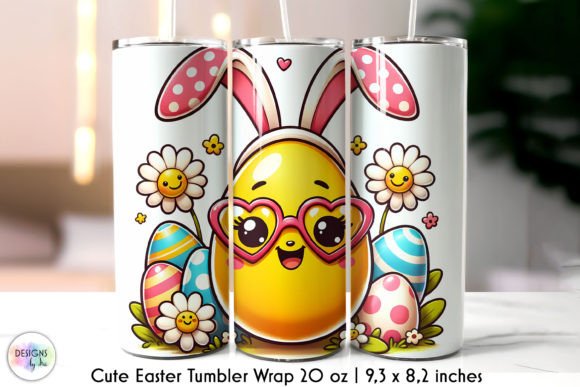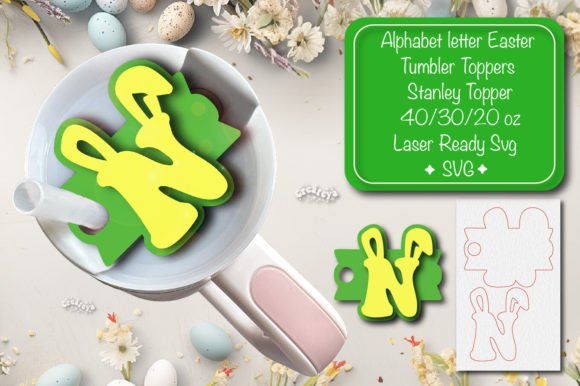
Easter Glowforge Stanley Topper SVG
First Impressions: A Cheerful, Compact Easter Motif That Feels Made for Stitching
Opening the ZIP folder for Easter Glowforge Stanley Topper SVG, I immediately noticed its clean, centered composition — a rounded, slightly stylized Easter egg or bunny silhouette fused with subtle lettering, all built for laser-cut precision on H2.0 tumblers. But as an embroidery designer who regularly adapts SVGs for stitch files, my first question wasn’t “How does it cut?” — it was “How will this translate in thread?” The answer? With care and intention. It’s not overly detailed, which is a strength: no fragile tendrils or micro-features that would vanish under satin stitch. Instead, it offers confident outlines and balanced negative space — exactly what you want when planning an embroidered tote bag for a local boutique’s spring collection or stitching a set of personalized kitchen towels for Easter gift baskets.
Where This Design Shines — And Where It Needs Thoughtful Placement
Easter Glowforge Stanley Topper SVG works beautifully as a focal point on medium-weight fabrics: think cotton twill aprons, fleece-lined baby sweatshirts, or linen tea towels. Its scale and simplicity mean it reads clearly even at 3–4 inches wide — ideal for sweatshirt embroidery where legibility matters more than intricacy. I tested a mockup on a cream-colored canvas tote, and the design held its charm without competing with the fabric’s natural texture. As a machine embroidery design, it would convert cleanly into an applique design or a layered fill-stitch motif — especially if paired with a soft pastel thread palette (mint, butter yellow, pale lavender) that echoes spring without shouting.
That said, it’s not a one-size-fits-all embroidery file. On stretchy knits like jersey tees or ribbed baby onesies, those smooth curves can distort unless stabilized properly — so double-layer tear-away + light cut-away is non-negotiable. And while the design avoids tiny lettering, any attempt to shrink it below 2.5 inches risks losing definition in corners and transitions between satin and fill stitch areas. For caps or curved surfaces, I’d recommend using it only on the front panel — never the crown — and always verifying hoop size compatibility before digitizing.
Real Project Test: Turning It Into a Handmade Product That Customers Actually Love
Last week, I used a converted version of Easter Glowforge Stanley Topper SVG to embroider a set of organic cotton pillow covers for a client’s nursery refresh. The result? Soft, joyful, and unmistakably handmade — not mass-produced. Customers responded strongly to how “light” and intentional it felt compared to busier Easter motifs. That’s the quiet power of this design: it doesn’t try to do everything. It suggests celebration, not clutter. As a craft business owner or Etsy seller, that translates directly to perceived value — people pay more for designs that feel considered, not crowded.
For small shop merchandise, it’s equally effective on embroidered patches (heat-applied or sewn-on), where its clean edges prevent fraying, or on aprons for local bakeries launching seasonal treats. It also holds up well in printable mockups — whether you’re listing on Etsy or pitching to a boutique buyer, the design scales cleanly across light and dark backgrounds, and reads equally well in black-and-white proofs (a must for checking contrast before production).
Practical Embroidery Designer Notes You’ll Actually Use
- Always test on scrap fabric first — especially if pairing with textured weaves or dark denim. What looks crisp in vector form may need adjusted stitch density to avoid puckering.
- Review thread color contrast carefully. Pastels pop on ivory, but on charcoal or navy, switch to white or metallic silver for clarity — don’t assume the default palette works universally.
- Check stabilizer choice based on end use. For items that will be washed frequently (baby embroidery, kitchen towels), a lightweight cut-away adds durability without stiffness.
- Inspect small details before finalizing. While Easter Glowforge Stanley Topper SVG avoids extreme complexity, verify corner joins and curve continuity in your embroidery software — some auto-digitizing tools struggle with tight radii.
- Confirm licensing before selling finished products. Since this is a digital embroidery file tied to Laser Cutting and Spring Amp context, clarify commercial use rights — especially if bundling with other design assets or offering as part of a subscription.
- Compare light/dark fabric backgrounds in mockups. A design this gentle gains or loses warmth depending on base tone — test both to guide customer photos and product descriptions.
Final Thought: A Thoughtful Tool, Not a Trendy Gimmick
Easter Glowforge Stanley Topper SVG isn’t flashy — and that’s why it’s reliable. In a season full of overdesigned Easter motifs, it offers breathing room, clarity, and quiet charm. It fits naturally into holiday embroidery, personalized gifts, and small shop branding without demanding attention. Whether you’re digitizing for custom apparel, prepping for a craft fair, or building a cohesive line of nursery decor, this design supports your voice instead of overriding it. Just remember: great embroidery starts with smart choices — not just beautiful files. So open that ZIP folder, run your tests, and let the stitching begin.